Opiate detox and withdrawal
Opiate detox is the first step for many people seeking treatment. Nationwide, 2,407 facilities listed by SAMHSA offer medically supervised detox. You can call our helpline at any hour for a referral.
- programs in the United States
- 2,407
- take Medicaid
- 1,814
- take private insurance
- 2,133
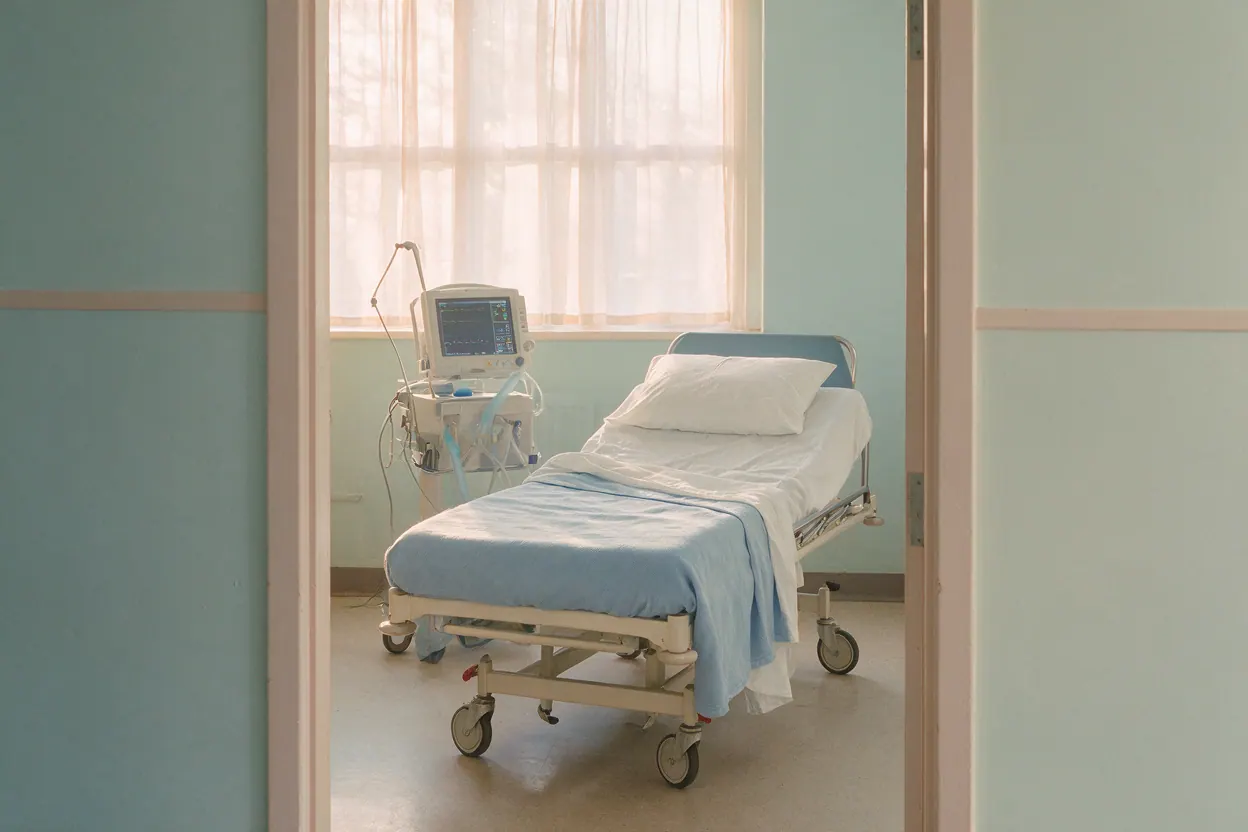
Medically supervised detox is a short-term level of care in which medical staff watch for and manage withdrawal symptoms while a person stops using opioids. Detox may happen in a hospital, a standalone withdrawal management center, or a residential facility. Many drug and addiction treatment centers offer detox as a first step toward long-term care, and some provide it on an outpatient basis.
Staff may also provide meals, rest, and a safe environment. The focus is on stabilization, not on finishing treatment. Some people leave detox early; others transition directly into a longer program.


How many detox facilities are listed
Nationwide, 2,407 SAMHSA-listed facilities offer medically supervised detox. Of these, 1,814 accept Medicaid, 2,133 accept private insurance, 1,264 accept Medicare, and 675 offer a sliding fee scale. In addition, 611 offer services in Spanish, 1,766 offer dual diagnosis care, and 1,771 provide telehealth. These are national counts, not figures for any one town or state. If you are looking for opiate detox near you, the directory lists centers by state and metro area, and you can filter by payment type.
Whether Medicaid pays for detox depends on your state's Medicaid program and on whether that state has expanded eligibility. As of October 16, 2026, 40 states plus the District of Columbia have adopted Medicaid expansion; Alabama, Florida, Georgia, Kansas, Mississippi, South Carolina, Tennessee, Texas, Wisconsin and Wyoming have not. If your state is among those, you might still qualify for Medicaid under other rules, or you might find sliding-fee options. When you call a detox center, ask which insurance plans they accept and whether they offer a sliding fee scale, since payment options differ widely.
- take Medicaid
- 1,814
- accept private health coverage
- 2,133
- take Medicare
- 1,264
- have income-based fees
- 675
| Center | Town | Offers | Takes |
|---|---|---|---|
| Narcotics Prevention Association Inc | Los Angeles, CA | Detox, IOP, Outpatient, OTP | Medicaid, Medicare, Sliding fee |
| New Hope Health Services | Washington, DC | Detox, PHP, IOP, Outpatient | Medicaid, Medicare, Insurance, Sliding fee |
| Guidance Care Center Inc | Marathon, FL | Detox, Residential, Outpatient | Medicaid, Medicare, Insurance, Sliding fee |
| Big Island Substance Abuse Council | Keaau, HI | Detox, Residential | — |
| Recovery Centers of America | Danvers, MA | Detox, Residential, PHP, IOP, Outpatient, OTP | Medicaid, Insurance |
| Easterseals MORC | Walled Lake, MI | Detox, IOP, Outpatient | Medicaid, Medicare, Insurance |
| Phoenix Counseling Center | Shelby, NC | Detox, Residential | Medicaid, Medicare, Insurance, Sliding fee |
| Providence House LLC | Arnegard, ND | Detox, Residential, PHP, IOP, Outpatient | Medicaid, Insurance |
| BestCare Treatment Services | Klamath Falls, OR | Detox, Residential | Medicaid, Insurance |
| Katy VA Clinic | Katy, TX | Detox, Outpatient | Insurance |
Paying for opiate detox
What detox costs depends on the facility and where it is. Many centers take private insurance, Medicaid, or Medicare, and some offer sliding fee scales. Nationally, 2,133 detox facilities accept private insurance, 1,814 accept Medicaid, 1,264 accept Medicare, and 675 offer sliding fees. If you have insurance, call the number on your card to ask about detox coverage and in-network providers, because plans differ. If you are uninsured, ask about sliding fee scales or state-funded programs. Our helpline can help you find options that fit your budget.

Who medically supervised detox is for
- People who are physically dependent on opioids, want to stop, and worry about withdrawal symptoms.
- Those who have already tried quitting on their own and found the withdrawal too hard to handle.
- Individuals who need a safe, monitored setting before starting medication-assisted treatment or counseling.
What to expect during opiate detox
Assessment and intake
A medical professional goes over your history, your current use, and your health conditions. They may also ask about other substances you use.
Withdrawal management
Staff monitor your symptoms and vital signs. The goal is safety and comfort.
Transition to ongoing care
Before discharge, staff help arrange the next step, which may be a residential program, intensive outpatient program, or medication management.
Questions people ask
What are the physical symptoms of opiate addiction?
Nationwide, 2,407 detox facilities offer monitoring and support.
Does opioid addiction ever go away?
A clinician or the program can explain what ongoing treatment for opioid use disorder involves. Nationwide, 8,639 facilities offer some form of treatment.
What is the 7 day opioid rule?
The 7-day opioid rule refers to some insurance plans limiting initial opioid prescriptions to a 7-day supply. It is not a treatment guideline for opioid use disorder. Nationwide, 2,407 facilities offer detox, and the appropriate length of stay is determined by medical staff based on individual needs.
Find opiate detox help today
If you are ready to take the next step, our helpline can connect you with detox facilities in your area. We are available 24/7 to provide information and referrals. Call us at any hour to speak with a trained specialist who can help you understand your options. Our referral line is free and confidential, and we can help you find a detox program that accepts your insurance or offers a sliding fee.